


How do we reconcile literal interpretations of the Adam & Eve story with modern ethics and science? Let’s do this fascinating deep dive.
1. The Literal Interpretation and Incest
If the story of Adam and Eve is taken as a literal historical event, then the first generation of children would have had to marry and reproduce with their siblings.
Is this a problem?
- Theologically: Most literalists argue that at the beginning of creation, the human gene pool was “perfect.” They suggest that harmful genetic mutations hadn’t accumulated yet, so the biological risks we associate with incest today (congenital disabilities) wouldn’t have existed. They also point out that the Mosaic Law banning incest wasn’t given until thousands of years later (Leviticus 18), meaning it wasn’t a “sin” until God explicitly labeled it one for the Israelites.
- Scientifically: From a modern genetic standpoint, a population starting from just two individuals would suffer a “genetic bottleneck” so severe that the species would likely face extinction due to inbreeding depression.
2. Other Examples of Incest in the Bible
The Bible contains several narratives involving messy, desperate, or cautionary incestuous relationships.
| Figures | Relationship | Context |
| Cain | Likely sister or niece | Genesis 4 mentions Cain had a wife, though her origin isn’t explained (literalists assume a sister). |
| Abraham & Sarah | Half-siblings | Abraham states in Genesis 20:12 that Sarah is the daughter of his father, but not his mother. |
| Lot & his daughters | Father & daughters | After the destruction of Sodom, Lot’s daughters get him drunk to conceive children, believing they are the last humans left (Genesis 19). |
| Amnon & Tamar | Half-siblings | A tragic story in 2 Samuel 13 involving assault and family betrayal. |
3. How Humans Actually Started
According to the consensus in modern biology and anthropology, humanity did not begin with a single couple. Instead, we evolved as a population.
The Evolutionary Timeline
Life began roughly 3.5 to 4 billion years ago with simple single-celled organisms. Over eons, through natural selection and genetic mutation, life became increasingly complex.
- Common Ancestry: Humans (Homo sapiens) share a common ancestor with chimpanzees and bonobos from about 6 to 7 million years ago.
- The Population Model: Geneticists estimate that the “founding population” of modern humans in Africa was never smaller than about 10,000 individuals. This genetic diversity is what allowed our species to survive and adapt.
- Mitochondrial Eve & Y-Chromosomal Adam: Science does use these terms, but they don’t refer to a single couple living together. “Mitochondrial Eve” is the most recent common female ancestor of all living humans (roughly 200,000 years ago), but she lived among thousands of other women; her DNA lineage just happened to be the one that survived unbroken.
The Problem with Incest
The concerns surrounding incest aren’t just based on social “ick” factors or religious taboos; they are rooted in very real biological risks and complex psychological dynamics.
Here is a breakdown of why nearly every human culture has developed some form of an “incest taboo.”
1. The Biological Risks: Genetic Diversity
The primary biological issue with incest (specifically between first-degree relatives like siblings or parents and children) is inbreeding depression.
Recessive Genetic Disorders
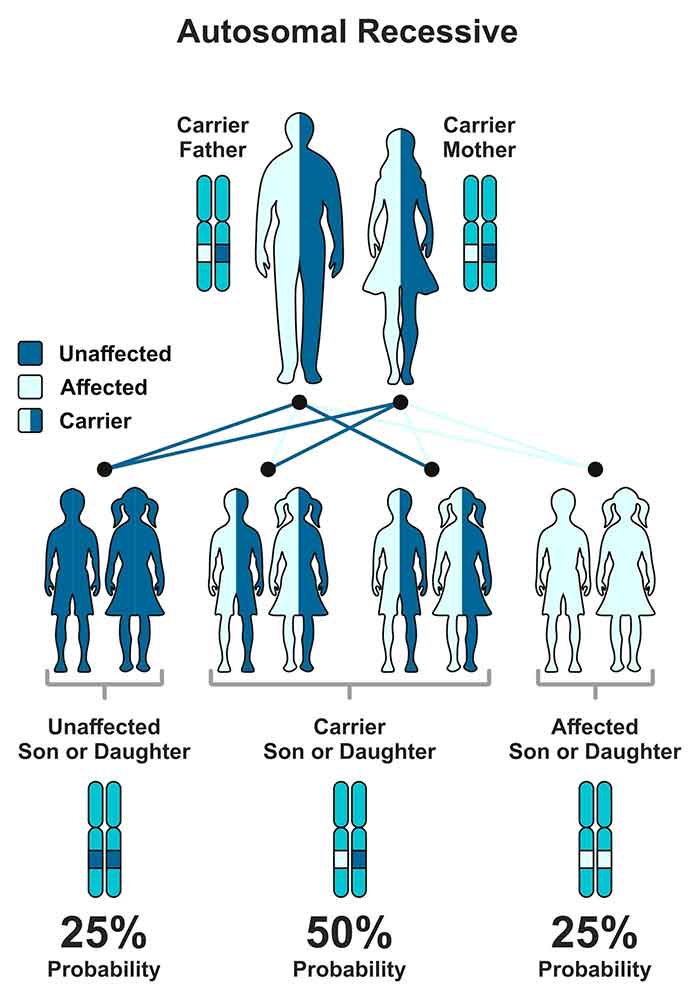
We all carry “hidden” or recessive mutations in our DNA that don’t affect us because we have a second, healthy version of that gene from our other parent.
- The Math of Risk: If you have a child with a stranger, the odds of them carrying the exact same hidden mutation are very low.
- The Proximity Risk: If you have a child with a sibling, there is a 25% chance that the child will inherit the “bad” gene from both parents, leading to a genetic disorder.
Loss of “Heterozygosity”
A healthy population needs a diverse “toolkit” of genes to fight off diseases and adapt to environments. Inbreeding creates homozygosity—where the DNA becomes too similar. This weakens the immune system, making the offspring more susceptible to infections and autoimmune issues.
The “Literary” Middle Ground
Many modern theologians view the Adam and Eve story not as a biology textbook, but as an archetypal poem. In this view, Adam (which means “Man” or “Mankind” in Hebrew) and Eve (“Life”) represent the human condition, our relationship with the divine, and the dawn of moral consciousness, rather than a literal census of the first two people.

Other Articles

Did God rape Mary?
Hacking the Benefits of Prayer