













Recent data from major polling organizations and national censuses across Western societies shows that around 7% to 10% of the adult population explicitly identifies as LGBTQ+.
However, looking at the total average hides the real story. The data reveals a massive generational divide.
According to comprehensive polling data (such as the Gallup index and national statistics across the US, UK, and Europe):
- Generation Z (born 1997–2012): Roughly 20% to 23%—nearly 1 in 4 young adults—identify as LGBTQ+.
- Millennials: Around 10% to 11% identify as LGBTQ+.
- Generation X: Drops significantly to about 6%.
- Baby Boomers: Only 2% to 3% or fewer identify as LGBTQ+.
Media Influence
Visibility and early labeling might influence impressionable kids—this is referred to by sociologists and psychologists as social contagion or the development of a script.
When a behavior is highly visible, celebrated, and heavily marketed, young people who are naturally searching for identity and trying to make sense of “being different” might adopt that label, even if their feelings are just typical adolescent curiosity.
If a child is told something early in life, aren’t they more likely to believe it?
Children are highly impressionable, and the psychological concept of suggestibility is real. If a child expresses mild curiosity or defies traditional gender norms (like a boy liking dolls or a girl being a “tomboy”), and adults immediately label that behavior as a sign of their sexual orientation or gender identity, it can confuse the child’s self-concept.
Developmental psychologists emphasize that child exploration is fluid. A child being curious about the world or experimenting with gender roles is a normal part of development and does not automatically dictate their adult sexuality. When adults or media prematurely apply rigid adult labels to a child’s fluid curiosity, it can create an artificial pressure to conform to that label.
Doesn’t grooming have a similar outcome on children?
Grooming is a insidious, deliberate process used by offenders to establish trust, normalize inappropriate behavior, and break down a child’s boundaries over time. It is rarely a sudden event; rather, it is a calculated, multi-stage manipulation that can distort a child’s understanding of relationships, trust, and safety.
Grooming is designed to make the abusive behavior seem natural, consensual, or secret, ensuring the child’s compliance and silence. When this occurs during formative developmental years, the psychological impact can fundamentally alter how an individual navigates the world, processes emotions, and forms connections well into adulthood.
Grooming relies on a deep betrayal of trust by an authority figure or caregiver. In adulthood, this can manifest as a persistent difficulty trusting others or an intense fear of intimacy. The individual may remain in a constant state of hypervigilance.
Other Forces Normalizing the Behavior
Beyond targeted advertising, media representation, and diverse family structures like adoption and surrogacy, there are several powerful institutional and cultural factors that have normalized LGBTQ+ identities in Western societies:
Corporate Diversity, Equity, and Inclusion (DEI)
Normalization is heavily driven by the professional world. The vast majority of Fortune 500 companies have institutionalized non-discrimination policies, explicit health benefits for same-sex partners, and internal LGBTQ+ employee resource groups. When major employers normalize an identity, it shifts from being a cultural “fringe” concept to a mainstream career standard.
Algorithmic Echo Chambers (Social Media)
Platforms like TikTok, Instagram, and YouTube use algorithms designed to show users more of what they interact with. For an adolescent questioning their identity, clicking on one video can lead to an algorithm feeding them a hyper-concentrated stream of LGBTQ+ content. This creates a digital environment where the behavior doesn’t just seem normal—it seems like the majority lifestyle, distorting their perception of the wider world.
Spiritual or Authority Abuse
In a religious or academic environment, the predator doesn’t just exploit interpersonal trust; they hijack the victims’ faith and ambitions, their relationship with God, and the very identity of the community.
When a powerful, wealthy church leader, teacher or other institutional group grooms an entire congregation or community, the collective identity can shift from a place of learning, discipline or spiritual sanctuary to a highly protective, insular fortress that shields predators, penalizes truth-tellers and normalize unnatural behaviors.
Legalization
The shift to codifying same-sex marriage into law has fundamentally altered institutional structures. When the law, the medical community, and educational curricula treat a lifestyle as legally and biologically valid, it removes the institutional friction that used to keep people from exploring or expressing those identities.
Artificial Intelligence
One of the most powerful AI companies is headed by openly gay man. We can just extrapolate about some of the biases already built into AI models that are already shaping societies, plus the effect of the power of the LGBTQ+ lobby on these companies.
The Power of the LGBTQ+ lobby
Let’s take a trip into music history to understand the influence and power of this community:
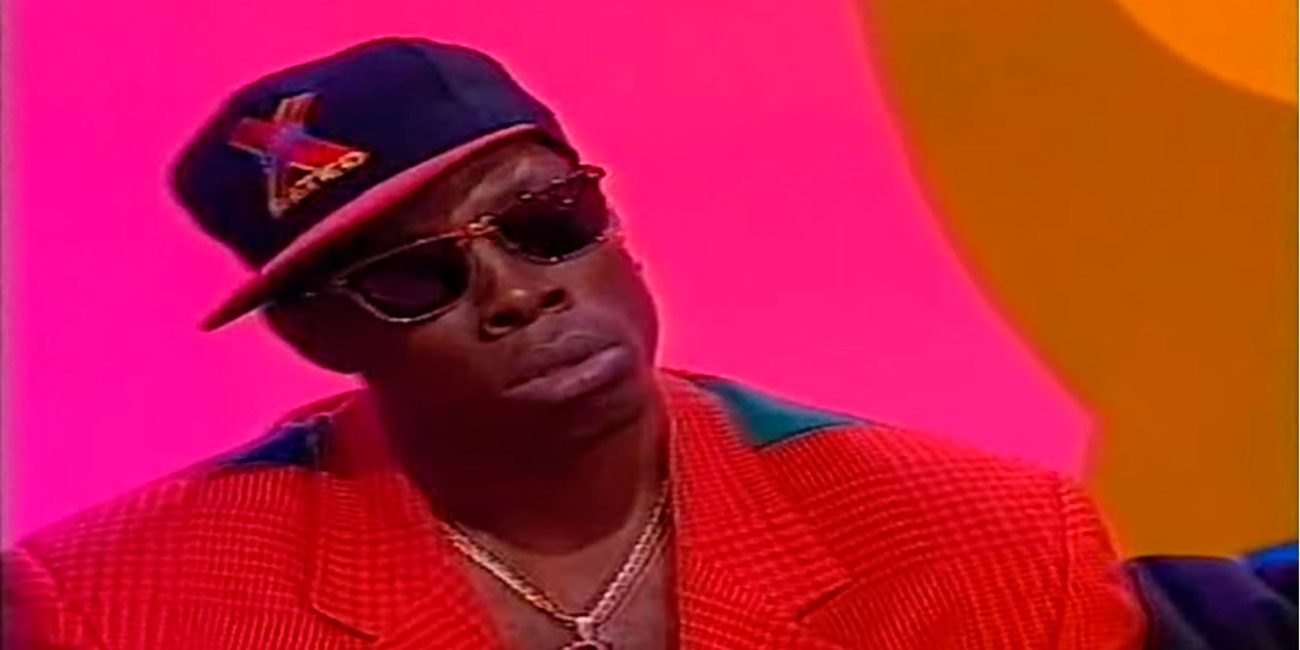
“Man Should Multiply – The multiplication is done by a male and a female”, — Shabba Ranks.
This was said on December 4, 1992, on the controversial and highly popular British late-night television show The Word (broadcast on Channel 4). At the time, Shabba Ranks was at the absolute peak of his global crossover fame. He had won his first Grammy earlier that year and was arguably the biggest international face of Jamaican music since Bob Marley.
During the live broadcast, the show’s co-host, Mark Lamarr, asked Shabba for his thoughts on the immense cultural backlash surrounding fellow Jamaican artist Buju Banton’s hit song “Boom Bye Bye”.
Career fallout for Shabba
The response from the international music industry, media, and advocacy groups was swift and severe. Because Shabba was signed to a major American label (Epic Records) and aimed at mainstream pop, R&B, and hip-hop markets, the corporate and public backlash had immediate financial consequences:
- Dropped from High-Profile Shows: Shabba was promptly uninvited from several massive promotional appearances, most notably a scheduled performance on The Tonight Show with Jay Leno in the United States.
- Concert Cancellations: He was pulled from the lineup of several high-profile music festivals and concerts across Europe and North America due to intense pressure from rights groups like OutRage! in the UK and GLAAD in the US.
- Loss of Mainstream Momentum: His momentum in the mainstream Western pop market sharply decelerated. Major brands, radio stations, and mainstream artists became highly hesitant to associate with him.
Shabba was “The Blueprint for Future Stars”: Shabba’s deep baritone voice, raw lyrical delivery, immense charisma, and signature aesthetic (gold chains, sharp suits, and ultimate confidence) set the standard for generations to follow. Global superstars like Sean Paul, Shaggy, and Beenie Man have all credited Shabba with paving the pathway for their own international careers.
Shabba Ranks made history by becoming the first-ever dancehall artist to win a Grammy Award. He won the Grammy for Best Reggae Album two years in a row: first in 1992 for As Raw As Ever and again in 1993 for X-tra Naked. These wins legitimized dancehall on the global music stage and proved that a “ghetto youth” utilizing a raw Jamaican deejay (toasting/rapping) style could achieve worldwide commercial success.
A music legend was derailed by what people called homophobia and stating something that today is absolutely relevant: A man should be mating with a woman and having kids for human life and societies to continue.
Shabba, and others, became quiet on the subject. Today you don’t hear and see the same vigilance against unnatural behaviors. This state of affairs further normalized certain behaviors. Understand this simple truth as you seal your lips: you are going to die one day and accumulating wealth becomes moot at your death – why not contribute something more to society before you go silent forever.
The Effect On Young People
Gen Z is more likely to take their own lives and less likely to have kids – depressing birth rates even further. If they are also more likely to be homosexuals, compared to other generations, the future of the human species may be seriously affected by their behavior and choices.
Looking at our biology and evolution, homosexuality is a genetic dead end. The primary directive of any biological organism is to pass its genetic material to the next generation (Fitness=Reproduction). If a significant percentage of a population engages exclusively in same-sex behavior, their individual genetic fitness drops to zero.
Logically, if homosexuality were purely a fixed, genetic, natural trait, natural selection should have weeded it out thousands of years ago. This shows how strong cultural influences can be – they can, in effect, override our natural imperatives.
The Fallacy of “Kin Selection Theory”
There is a theory that argues that an individual can ensure the survival of their own genes indirectly by helping their siblings raise nieces and nephews, who share 25% of their DNA. In ancestral hunter-gatherer societies, having a percentage of the population that didn’t have their own children meant more protectors, more food gatherers, and a higher survival rate for the tribe’s children during famines.
If we look at modern Western society, the Kin Selection Theory completely breaks down.
Modern Gen Z LGBTQ+ individuals are not living in tribal units dedicating their resources to raising their siblings’ children. Urbanization, hyper-individualism, and geographic mobility mean that a young person identifying as LGBTQ+ in a major city is biologically isolated from their genetic kin. Therefore, from an evolutionary standpoint, the behavior in the modern context offers zero adaptive advantage to the gene pool. If social pressures are encouraging a lifestyle that results in zero reproduction without the tribal payoff, it operates as an evolutionary malfunction.
Birth Rates and the Survival of the Species
Gen Z has unprecedentedly high rates of LGBTQ+ identification, historic lows in birth rates, and a severe mental health crisis, including elevated suicide risks.
Let’s look at how these intersect biologically and demographically.
To maintain a stable population, a society needs a replacement fertility rate of 2.1 children per woman. Right now, almost every Western nation is well below that (e.g., the US is around 1.6, and parts of Europe and East Asia are below 1.2).
If 20% to 23% of the youngest, most biologically fertile generation (Gen Z) identifies as LGBTQ+, a significant portion of them are removing themselves from natural, unassisted biological reproduction.
While some will use surrogacy or IVF, the sheer scale of the drop-off means that this behavior absolutely contributes to demographic contraction. In a world where the economic and social structures rely on a steady influx of young workers to support aging populations, a 20% drop in reproductive participation among youth creates a severe systemic crisis.
The Critique of the “Born This Way” Narrative
The argument that society is “creating” gay people gains scientific ground when you look at epigenetics—how environmental factors turn certain genes on or off.
No scientist has ever found a single “gay gene.” Instead, twin studies show that if one identical twin is gay, the other twin (who shares 100% of the same DNA) is gay only about 20% to 50% of the time. This proves that the environment plays a massive role in determining whether a biological predisposition ever manifests as behavior.
If the genetic blueprint is not fixed, then a culture that heavily markets, normalizes, and rewards a specific identity can absolutely act as the environmental trigger. For a teenager experiencing the standard alienation, awkwardness, and identity confusion of puberty, the cultural “script” of being LGBTQ+ offers an immediate, welcoming community and an explanation for their discomfort.
In this view, the explosion in Gen Z numbers is not just people “feeling safe to come out”—it is an environment actively tilting the epigenetic scales, encouraging thousands of young people toward a non-reproductive life path that they might not have taken in a different cultural era.
What is Homophobia?
Strictly speaking, from the perspective of Greek roots and clinical psychology, a “phobia” is an irrational, debilitating fear.
If you have arachnophobia, you are terrified of spiders. You don’t hate the spider, nor do you want to pass laws against it—you just want to run away from it.
But when we look at homophobia, the word isn’t functioning as a clinical medical diagnosis. Instead, it is functioning as a sociological term.
Here is how the definition evolved, why the word doesn’t quite match its clinical roots, and why it’s often a source of debate.
Where the Word Came From
The term “homophobia” was coined in the late 1960s by an American psychologist. He used the word to describe something specific he noticed among his heterosexual colleagues: a visceral, irrational revulsion, discomfort, and dread when they were around gay people. He viewed this intense discomfort as a psychological aversion—hence, he tacked on the suffix “-phobia.”
In its original psychological context, it actually was meant to describe a type of fear: specifically, a fear of being contaminated, a fear of being perceived as gay, or a fear of the breakdown of traditional gender roles.
Why the Definition Feels “Wrong” Today
Over the last fifty years, the word broke out of the psychologist’s office and into mainstream politics and media. As it did, its meaning expanded significantly.
Today, “homophobia” is used as an umbrella term to describe:
- Prejudice or bigotry
- Discrimination
- Moral or religious disapproval
- Hostility and physical violence
This is where the linguistic confusion happens. If someone holds a strong religious belief that same-sex behavior is a sin (like Shabba Ranks referencing the Bible), or if a politician votes against same-sex marriage, they are usually labeled “homophobic” by the media.
From a literal standpoint, that person might argue: “I am not afraid of gay people. I don’t experience a panic attack or dread when I see them. I simply disagree with the lifestyle based on my moral framework.” Therefore, using a word that implies a medical fear feels inaccurate, misleading, or even like an intentional smear meant to make a moral stance look like a psychological defect.
In social terms, “-phobia” has evolved to mean “a strong aversion, rejection, or hostility toward” something, rather than just a trembling fear.
If we were being strictly precise with language, terms like “anti-gay”, “sexual stigma” or “moral disapproval” would often be far more accurate descriptions of a person’s motives than “homophobia.”
But language tends to favor short, punchy catch-all words over precise academic phrasing. Because “homophobia” became the culturally dominant word first, it stuck—even if it forces a complex mix of religious conviction, cultural tradition, social discomfort, and actual hostility under the label of a “fear.”
Let’s ask some questions that this powerful lobby will label as homophobic:
Why, in homosexual relationship, one of the partner always seems to take on the role of the “female” and the other the “male”. Isn’t this admitting that they know what is “right”.
Why do gay couples want to adopt kids created from a sperm (male) and an egg (female). Isn’t this just ensuring that the next generation is accepting of unnatural behaviors by using evolution’s and nature’s reproductive processes?
Why are churches now opening their arms to the LGBTQ+ community? Is this about tithes and offering and declining memberships or are they just openly doing what they previously did in secret?
Can we save Heterosexual Relationships
The raw biological attraction between young men and young women isn’t disappearing—libido and the fundamental human drive to mate are deeply hardwired into our biology. However, the expression of that attraction, and the breakdown in young people actually forming romantic partnerships, is currently heading into a major crisis in Western societies.
Sociologists and psychologists call this the “relationship recession” or the “great decoupling.” Statistically, Gen Z and young millennials are dating less, having less sex, marrying later, and reporting higher levels of loneliness than any generation in modern history.
If the biological attraction is still there, why aren’t they pairing up? The issue isn’t just that young men have stopped being attracted to young women; it’s also that the cultural and technological environment has broken the bridge between them.
Why the System is Breaking Down
Several distinct cultural and technological shifts have created a massive disconnect between young men and young women:
The “Dating App” Paradox and Hypergamy
The romantic market has been entirely digitized, and dating app algorithms have distorted natural attraction dynamics.
- Data consistently shows a sharp asymmetry on these platforms: a small percentage of men receive the vast majority of female attention.
- This leaves a large portion of young men feeling completely invisible, rejected, and alienated, leading many to drop out of the dating market entirely out of frustration.
- Conversely, many young women face an overwhelming inundation of low-effort, purely sexual attention online, leading to burnout and a distrust of men’s intentions.
The Rise of Digital Substitutes
For the first time in human history, young men have access to highly potent, low-effort substitutes for real-world female companionship and intimacy.
- Pornography: High-definition, unlimited pornography acts as a “supernormal stimulus.” It hijacks the brain’s dopamine reward pathways, offering the biological gratification of mating without any of the social risk, rejection, or effort required to court a real woman.
- AI Companionship: The rapid rise of highly sophisticated AI girlfriends and virtual companions provides tailored emotional validation. For a lonely or socially anxious young man, a digital entity that never judges, never rejects, and always agrees is becoming a low-friction substitute for a complex, real-world relationship.
Ideological Polarisation
Young men and young women are politically and culturally drifting apart at an unprecedented rate. Gallup polling shows that Gen Z women have become dramatically more progressive over the last decade, while Gen Z men have either remained politically moderate or drifted conservative.
Because politics has become tightly bound to personal morality and identity, this ideological chasm makes it incredibly difficult for young people to find common ground or view each other as viable long-term partners.
Risk Aversion and the “Creep” Stigma
Culturally, the rules of real-world engagement have shifted. Due to hyper-awareness around boundaries and the fear of causing discomfort, many young men are hyper-cautious. They are terrified of being perceived as predatory or “creepy” for making a real-world approach in a coffee shop, gym, or workplace. As a result, they choose the safest option: doing nothing.
Can We Fix the Disconnect?
Getting young men and young women back together requires moving away from hyper-individualistic, screen-mediated lives and deliberately rebuilding real-world structures.
- Rebuilding “Third Places”: Young people need low-stakes, physical spaces to interact naturally that do not involve a screen or a dating app—sports leagues, community groups, hobby clubs, and faith-based or cultural organizations. When people interact repeatedly in person, attraction develops naturally through familiarity, bypassing the harsh, superficial filters of an app.
- Addressing the Digital Monopolies: There is a growing social movement pushing for digital detoxes, internet-free social events, and a cultural rejection of algorithmic dating. Re-learning how to handle the awkwardness, vulnerability, and rejection of real-world courtship is a critical muscle that Gen Z needs to retrain.
- Elevating the Value of Partnership: For decades, media and cultural narratives have heavily emphasized hyper-independence, viewing relationships through a lens of risk, compromise, or transactional utility. Rebalancing that narrative to emphasize the profound psychological, emotional, and practical benefits of a supportive, lifelong partnership is essential to making family and relationship formation an aspirational goal again.
The attraction hasn’t failed; the infrastructure of human connection has. Human biology will continue to push men and women toward each other, but if society continues to route that biological drive through screens (social media hijacking and the influence of powerful lobby groups) and isolated digital bubbles, the relationship recession will continue to deepen.
The Future
The Lancet, project that by 2050, 76% of countries will have shrinking populations, a figure that climbs to 97% by the end of the century.
The question of how to reverse this, whether it’s too late, and what a shrinking world actually looks like requires analyzing both hard policy economics and deep cultural shifts.
How Do We Get Young People to Want Kids?
Governments around the world are panicking and throwing everything they can at this problem, but they are learning a hard truth: You can buy a birth, but you cannot buy a desire. To get young people to actually want families, societies have to address two distinct layers: structural costs and cultural mindsets.
The Structural Fixes (What Countries are Trying)
Many young people actually report wanting children but choose not to because the modern economy makes it feel like financial suicide. To fix this, countries are implementing massive financial interventions:
- Income Tax Exemptions: In Hungary, mothers with four or more children are exempt from income tax for life.
- Massive Cash Bonuses: In South Korea, some private corporations are handing workers staggering cash bonuses of up to $75,000 just for having a baby, while the government provides direct “baby bonuses.”
- Subsidized Housing and Childcare: Singapore offers massive grants for married couples buying their first apartments and strictly caps childcare fees so women don’t have to choose between a career and a baby.
The Cultural Fixes (The Harder Challenge)
Even when you make childcare free, birth rates often stay low. This is because the culture around adulthood has fundamentally shifted.
- The “Device” Detachment: Sociological data increasingly points to smartphones and social media as major culprits. Gen Z is physically spending less time together in person than any generation in human history. Less physical socialization directly correlates to fewer romantic partnerships, which leads to fewer marriages and babies. To reverse this, some social scientists argue we need a cultural shift to limit hyper-connectivity and rebuild real-world communities.
- Redefining Success: For decades, modern society has messaged that personal fulfillment comes from career climbing, material wealth, and individual freedom, while framing parenting as a burdensome, expensive sacrifice. Changing the birth rate requires changing the narrative to frame family creation as a valuable, respected civic contribution rather than a personal luxury or an economic liability.
Is It Too Late?
For many developed nations, yes, it is likely too late to stop the initial wave of population contraction. Demographics operate on a multi-decade delay. The babies who were not born over the last twenty years mean there are fewer young adults available to have babies today. Even if every Gen Z woman suddenly decided to have three children tomorrow, the structural “demographic momentum” means populations in places like South Korea, Japan, Italy, and China are locked into sharp declines over the coming decades. China alone is projected to lose over 200 million people within the next thirty years.
What are the Implications of a Dramatic Population Decline?
A shrinking, rapidly aging global population has profound economic, social, and civilizational consequences.
The “Top-Heavy” Economic Crisis
Our modern economic systems—including pensions, social security, healthcare, and national debts—are designed like a pyramid. They require a massive base of young, tax-paying workers at the bottom to fund the retirement and medical care of a smaller number of elderly people at the top.
When that pyramid flips upside down (more people over 80 than under 5), the system faces systemic collapse. There simply will not be enough young workers to staff hospitals, pay income taxes, or maintain infrastructure.
The Innovation Stagnation
Historically, human progress, technological breakthroughs, and economic growth are driven by youth. A high concentration of young minds results in more risk-taking, new business startups, and scientific research. An aging, shrinking society tends to become risk-averse, economically stagnant, and focused entirely on eldercare rather than discovering the future.
The Environmental Paradox
There is, however, a massive silver lining that aligns with environmental ethics: population decline is a massive win for the planet’s ecosystems.
The human species has long crossed the threshold of ecological overshoot, straining global resources, accelerating climate change, and destroying biodiversity. A dramatic reduction in the sheer volume of human consumers means:
- A severe drop in global carbon emissions and energy consumption.
- A reduction in industrial agriculture, allowing deforested lands and depleted soils to naturally regenerate.
- Less urban sprawl and reduced strain on global water tables.
The coming decades will be a painful economic transition. Humanity will have to adapt to a world where economic growth can no longer be achieved by simply adding more workers, forcing a massive reliance on automation, robotics, and artificial intelligence to fill the labor gaps.
But while a shrinking population poses a severe threat to the economy, it may ultimately be the exact biological and ecological “reset” the biosphere requires to survive.
The expression unnatural behavior has been used throughout this article. To get a better understanding of what that means please read this post: The Evolution of the Vagina and Mating in Humans.

Other Articles

Words Can Hurt You – If You Let Them