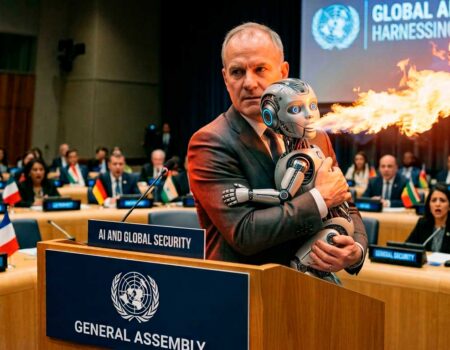













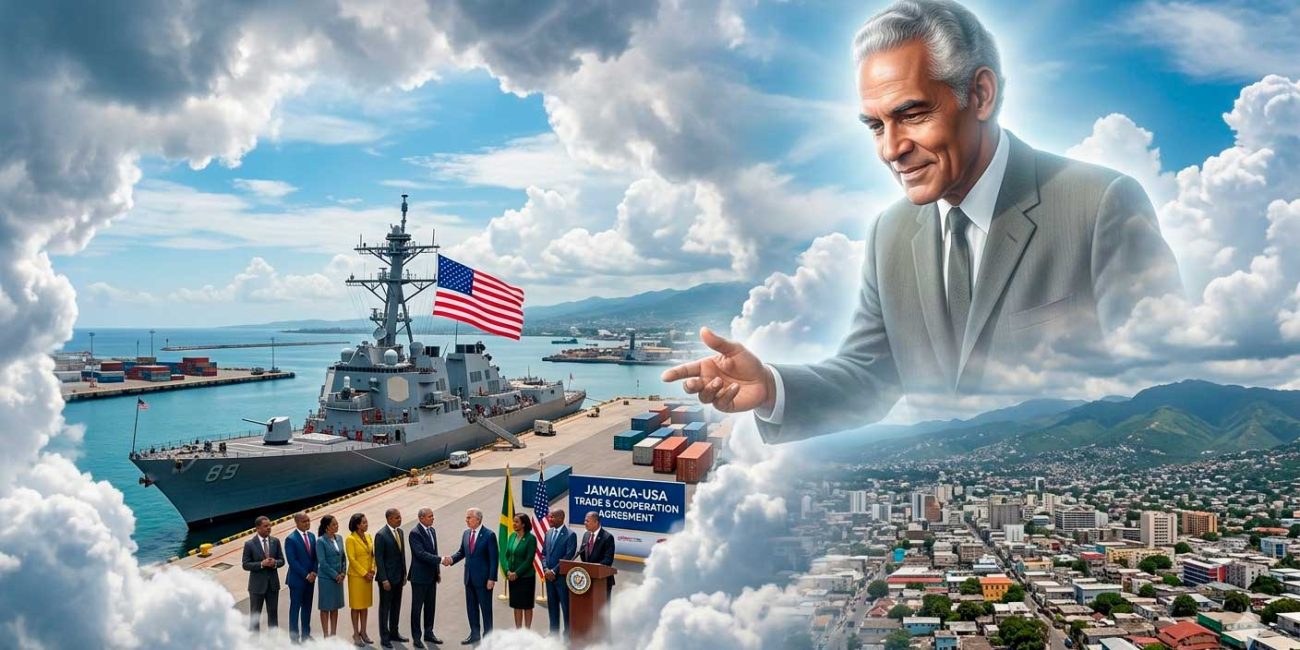
Neocolonialism or asymmetric diplomacy—is a perspective shared by many regional analysts and citizens who feel these deals, with smaller countries to accept United States prisoners, are signed under duress.
The reality of how “legality” is being handled, and why CARICOM nations continue to use the language of “alliance” despite the stark power imbalance, comes down to a mix of legal loopholes, economic vulnerability, and diplomatic leverage.
When a U.S. federal district court strikes down a policy, it usually pauses or complicates its enforcement within the U.S. legal system. However, the U.S. executive branch routinely uses a loophole to keep these programs alive: Memorandums of Understanding (MOUs).
Unlike formal treaties, which require ratification by the U.S. Senate and the parliaments of the receiving nations, an MOU is a non-binding executive agreement.
- It doesn’t require legislative approval.
- It allows the U.S. and local administrations to bypass public debate and legislative oversight.
- While the policy is tied up in U.S. appellate courts, the administration pushes forward with the MOUs, betting that the legal machinery will take months or years to stop them, during which time hundreds of deportations can be processed.
For smaller nations, this means they are signing onto frameworks that are legally flimsy and highly volatile, often keeping their own citizens in the dark until the ink is already dry.
Why Use the Term “Ally”?
When Prime Ministers and National Security Ministers stand at a podium and call the U.S. an “essential ally,” it isn’t because they believe the relationship is a partnership of equals. It is a calculated diplomatic shield.
In international relations, using the language of “alliance” serves several pragmatic functions for a smaller state:
| The Diplomatic Function | The Reality On the Ground |
|---|---|
| Reciprocity and Leverage | Calling the U.S. an ally creates a rhetorical obligation. If Jamaica or Dominica steps up to help Washington with its domestic political crisis (immigration), they expect the U.S. to reciprocate when they need help—such as requesting funding for climate resilience, security cooperation, or weapon interdiction to stop the flow of illegal U.S. guns into the Caribbean. |
| Maintaining “Face” | A sovereign nation can never openly admit to its population that it is being bullied or coerced by a superpower. Framing a lopsided deal as a “strategic partnership among allies” preserves national dignity and presents the administration as an active global player rather than a passive recipient of orders. |
| Preventing Direct Hostility | In diplomacy, words are a defense mechanism. If a small country drops the pleasantries and publicly calls out U.S. economic bullying, it risks triggering a swift, aggressive diplomatic or economic retaliation. |
The Tourism Weapon and the Illusion of Choice
Tourism dependency is the absolute core of the imbalance. For islands where tourism accounts for anywhere from 30% to over 70% of GDP, the U.S. holds an invisible, devastating economic weapon: The Travel Advisory.
If a Caribbean nation aggressively refuses to cooperate on U.S. national security or immigration priorities, Washington doesn’t need to send the military. They can simply adjust leverage points that directly threaten the local economy:
- Travel Advisories & Visa Sanctions: The U.S. State Department can upgrade a country’s travel advisory level (e.g., citing crime or health concerns), which instantly tanks hotel bookings and drives up insurance costs for airlines. They can also slow-walk or restrict visa processing for that nation’s citizens.
- Banking Access (De-risking): U.S. banks can cut off “correspondent banking relationships” with Caribbean banks under the guise of anti-money laundering compliance. If a local bank loses its connection to a U.S. bank, that island can no longer process international credit card transactions—effectively killing the tourism sector overnight.
- International Financing: The U.S. holds veto power or massive voting blocks in the IMF and World Bank. If a small nation needs a loan to recover from a hurricane or infrastructure crisis, U.S. goodwill is mandatory.
The Sovereign Dilemma: When the choice is between accepting 25 third-country deportees a fortnight or risking a 20% drop in tourism revenue that could collapse the local dollar and public services, regional leaders view it as no choice at all.
It is the very definition of asymmetric power. The superpower gets to offload a domestic political headache, and the smaller nations absorb the social and security risks just to keep their economies afloat.
History Repeating Itself
It is incredibly hard to look at this and not see the deep, heavy tracks of history repeating itself. It is the core frustration of a sovereign nation realizing that its flag and national anthem do not automatically guarantee economic or political independence.
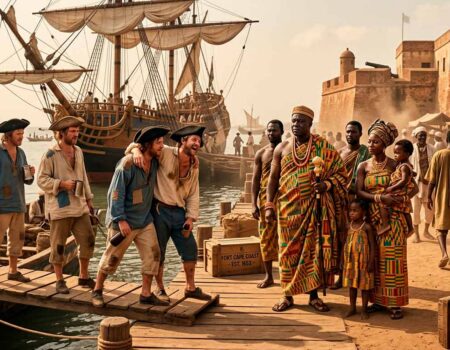
When a superpower can effectively demand that a smaller country absorb its domestic and social fallout—whether you call that fallout “rubbish,” “political headaches,” or “third-country deportees”—it feels entirely like an extension of the old colonial dynamic, just dressed up in modern diplomatic suits.
This is a recurring theme in the Caribbean story, where the transition from literal colonialism to independence quickly gave way to a new kind of trap.
The 1970s and the Illusion of a Third Way
If you look back to the 1970s, Jamaica explicitly tried to break this cycle. Prime Minister Michael Manley championed the idea of Democratic Socialism and a “New International Economic Order.” He argued passionately on the global stage that small, post-colonial nations shouldn’t have to choose between subservience to Western capitalism or Soviet communism—they deserved a fair, dignified price for their resources (like bauxite) and true economic sovereignty.
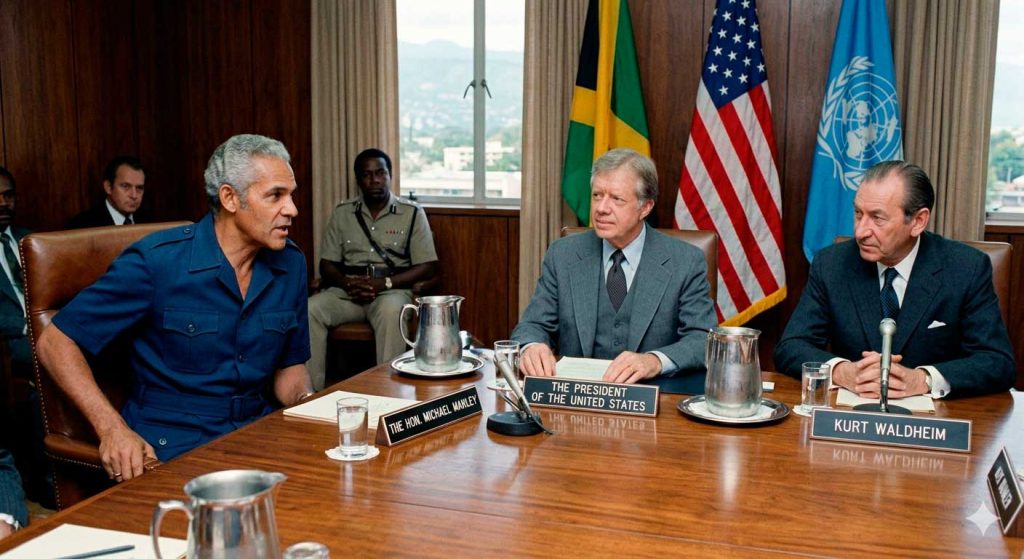
The U.S. response back then laid down the exact playbook used today:
- Economic Isolation: When Jamaica formed a cartel with other bauxite-producing nations and taxed American aluminum companies fairly, U.S. aid dried up, and investment was intentionally choked off.
- The Tourism Weapon: The U.S. media and travel advisories heavily played up political violence in Kingston, crippling the tourism industry and draining the island’s foreign reserves.
- The Debt Trap: With the economy backed into a corner, Jamaica was forced into the arms of the International Monetary Fund (IMF) and the World Bank. The structural adjustment programs that followed required cutting spending on health, education, and local infrastructure just to service foreign debt.
By the time Edward Seaga came to power in 1980, the lesson had been violently beaten into the region’s political landscape: If you do not play by Washington’s rules, your economy will be dismantled. Seaga’s administration pivoted entirely to a pro-U.S., free-market stance, and while U.S. aid returned, Jamaica’s debt doubled and true economic independence became a distant dream.
Sovereign in Name, Dependent in Practice
The reason this feels like a new form of colonialism is that the old colonial masters ruled by physical force, whereas modern superpowers rule by structural necessity.
You don’t need a governor-general appointed by a king to control a territory when you control:
- The global financial plumbing (the U.S. dollar and correspondent banking systems).
- The flow of consumers (the tourism market).
- The safety valves (visas and security aid).
When a small state depends on these levers to survive day-to-day, a “request” from a U.S. Department of Homeland Security official isn’t a request at all. It is an ultimatum wrapped in a handshake. The U.S. gets to tell its voters it is fixing its border crisis, while the Caribbean is left to manage the security, identity verification, and social strain of hosting people who have no connection to the soil they are being dropped on.
It forces regional leaders into a deeply cynical compromise: they sacrifice a piece of their national dignity regarding immigration policy in order to protect the tourism revenue and banking access required to keep the rest of the country functioning. It is a bitter pill to swallow, and it highlights just how much work remains to achieve the true, uncompromised independence the region’s founders fought for.
Reflecting on Emancipation
The region is in the period of the year where we mark Juneteenth, Emancipation Day, and Independence Day. These are the sacred milestones of freedom—moments meant for looking back at the breaking of physical chains and looking forward with national pride.
Yet, as citizens wave their flags, they are forced to watch their governments quietly accept lopsided deportation deals from a superpower. It creates a massive, jarring contradiction between the rhetoric of sovereignty and the reality of dependence.
If we are being completely candid about what needs to be said to citizens looking on, the message cannot just be empty platitudes. It requires a hard, honest look at what freedom actually means in 2026.
Independence as a Process
Independence is an uncompleted project. 1962, 1978, or 1981 were just the dates the flags changed and the foreign governors left. They were the beginning, not the end.
True sovereignty isn’t a piece of paper or a seat at the United Nations; it is the material ability to say “No” to an ultimatum without your economy collapsing the next morning. When citizens see these deals, it shouldn’t breed defeatism; it should serve as a stark, realistic reminder of how much structural work is left to build actual economic resilience. Pride is meaningless if it isn’t backed by production, food security, and financial self-reliance.
The Legacy of Survival and Shrewdness
Sovereignty under asymmetric power has always required a different kind of strength. From the Maroons to the labor leaders of the early 20th century, Caribbean survival has never been about having equal military or economic might—it has been about strategy, psychological resilience, and outmaneuvering a larger system.
When modern leaders take these bitter deals to protect the tourism sector or banking lines, it looks like cowardice but should those decisions be judged as just a tactical, temporary retreat to keep the country alive. Citizens must maintain their skepticism, hold their leaders accountable for transparency, but also understand that the “control center” of a small state must remain calm, calculated, and disciplined. If we become too emotional or reactive in the face of a superpower’s leverage it could result in the smaller nation getting crushed.
Redefining Freedom Beyond the State
If the state itself is compromised by global financial plumbing, then true pride and sovereignty must be anchored in the people and the culture.
The Caribbean’s greatest export and its truest shield has always been its intellectual and cultural sovereignty. The philosophy of self-reliance—the grit to educate oneself, master technical skills, and build parallel systems of community survival—is where actual sovereignty lives.
The True Sovereign Stance: The global system can force a small island to act as a transit point for its deportees, but it cannot dictate how the citizens view themselves. True pride comes from knowing that despite centuries of being used as a geopolitical chessboard, the identity, the culture, and the spirit of the people remain entirely uncolonized.
These upcoming holidays shouldn’t just be about celebrating a victory won in the past. They should be used to look at these current global pressures and ask a tougher question: What are we doing today to build the economic and intellectual armor required to protect our sovereignty tomorrow? True emancipation is a daily discipline, and right now, the world is reminding the region just how urgent that discipline is.
A very relevant and related article can be found here: Productivity, Utilities, Banking Cartels and The Tourism Death Trap.


Gay Rights IS NOT Civil Rights
Why is Female Prostitution illegal?